Portfolio
Creative
Thinking
Events · Experiences · Media
Ideas. Experiences. Value.
Mahmoud Mohamed Lotfy
I have never been formally trained in the academic frameworks commonly used in creative strategy, brand strategy, or structured planning.
I don't claim to be.
Most of the time, I simply look at the problem, understand what is needed, think about the people experiencing it, and try to find the best way to make it work.
Only later did I discover that some of the things I naturally do have formal names.
The names came later.
The thinking came first.
I actually prefer it this way. It gives me room to think rather than forcing every project into a predefined process.
How My Mind Works
When I look at an event, I don't start by asking what framework to use.
I ask:
- Why should this event exist?
- What should people get from it?
- What should they feel, understand or remember?
- What can make the experience better?
Then I start figuring out how to make that happen. The process is not always neat. But the result needs to be.
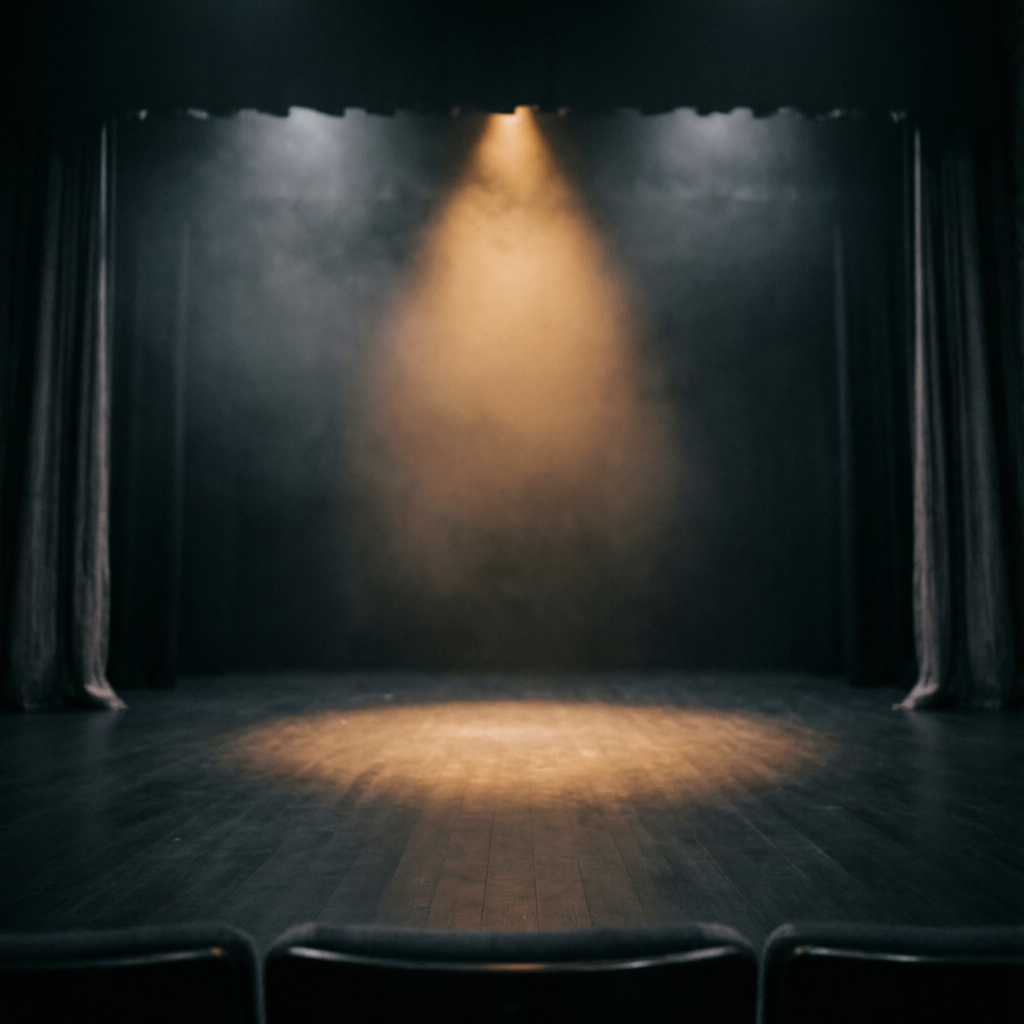
An event
is a story.
I see an event much like a film. A director has a story. There is an audience. There is something worth saying. And every element exists for a reason.
The location
The visual identity
The stage
The speakers
The movement of people
The communication
The small details
None of them should exist simply because "this is how events are usually done." They should contribute to the experience.
What do I want the audience to take away when they leave?
Experience
Events &
Conferences
My involvement in events started long before my current career. I was a Co-founder & COO of Top Event and later Co-founder & COO of Share – Events & Marketing Services. I participated in organizing more than 20 conferences, seminars and meetings.
-
Co-founder & COO
2012–2013
-
Share – Events & Marketing Services
Co-founder & COO
2013–2014
-
-
7th Annual Conference — Zagazig University Vascular Surgery Unit
-
Zagazig University Job Fairs
Organizer / PR Manager
2010–2011
-
Conference of the Egyptian Association of America
-
10th Environmental Festival — Closing Ceremony
These experiences gave me something that is difficult to learn from a textbook: what actually happens when an idea meets people, logistics, time, limited resources and reality.
Media Production
My interest in creating experiences did not stop at live events. Between 2014 and 2019, I worked as a Media Production Freelancer.
This experience strengthened the way I think about visual storytelling, production and directing. I became interested not only in what is being produced, but in why each element exists and how all the elements work together to communicate something.
Operations
I like making
things work.
My career later moved into operations and business management. At the Cardiac Catheterization Unit where I currently work, I became responsible for financial, procurement, inventory and operational management.
That may look unrelated to creativity. To me, it isn't.
An idea is only useful if it can actually work.
I have built internal systems, dashboards, KPI tools and reporting solutions from scratch because I saw problems that needed solving. Some of these projects were created with no software budget and built using tools already available.
The same instinct exists in my creative work:
See something.
Think about it.
Find a better way.
Make it happen.
What I Bring
An unusual
combination.
Events
PR
Media
Directing
Operations
Business
Technology
Data
"I can think about the audience, the idea, the execution and what could go wrong."
"I don't consider myself a finished creative strategist."
I consider myself a person who has spent years observing, experimenting, organizing, creating and solving problems in very different environments.
Have an idea.
Give it a purpose.
Make it real.
Make it matter.